Large MoE model for a cluster
Qwen3-235B-A22B
A large model for chat, reasoning and coding. The Q8_0 build weighs about 250 GB; Q4_K_M takes less space.
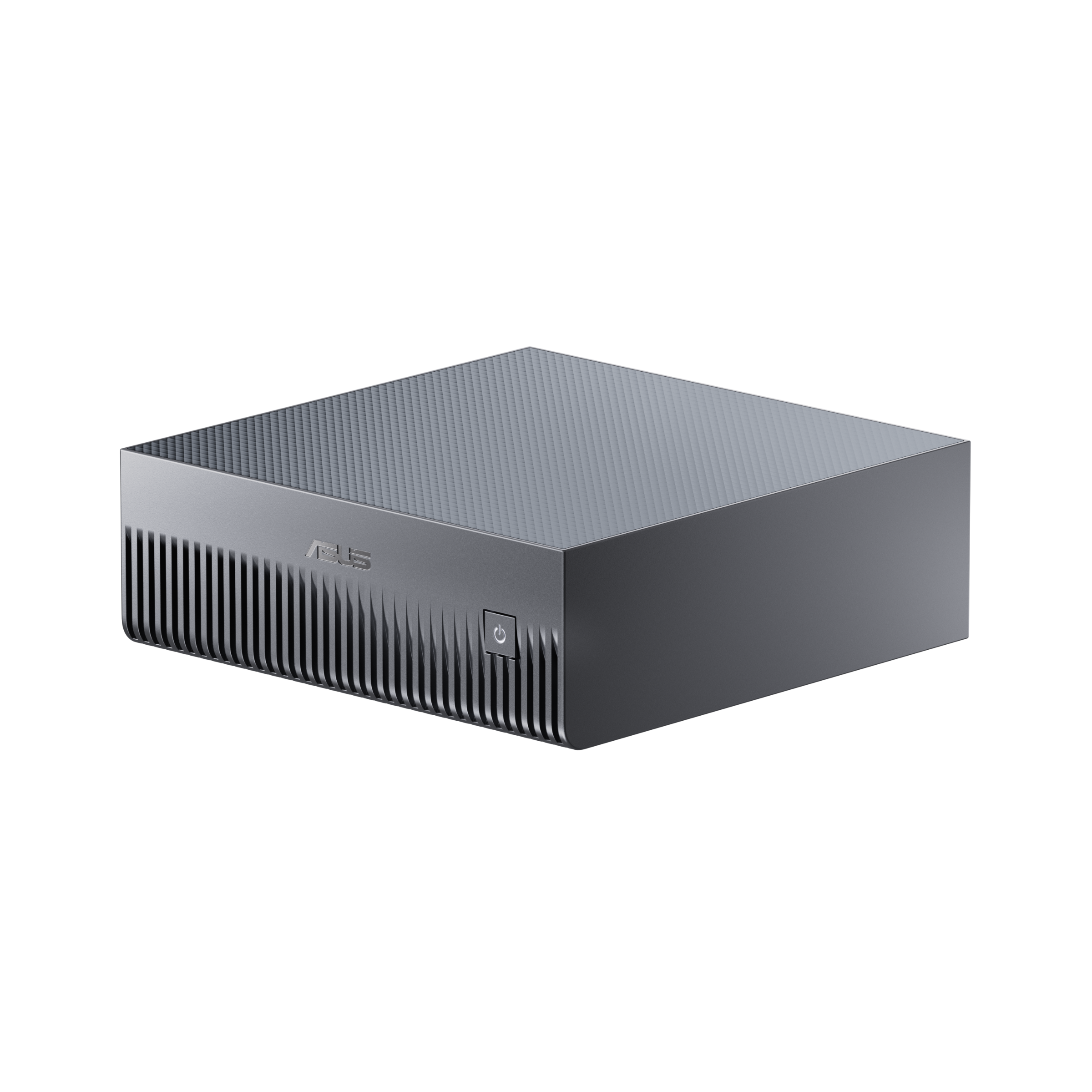
Two ASUS GX10 systems, each with 128 GB of unified memory. Run independent models at the same time or distribute a larger workload across both nodes with a compatible runtime.
Two-node ASUS GX10 cluster
Run two workloads in parallel or distribute one model across both nodes.
The catalog lists workloads, quantizations and weight sizes. Six models are preinstalled on ASUS GX10.
Large MoE model for a cluster
A large model for chat, reasoning and coding. The Q8_0 build weighs about 250 GB; Q4_K_M takes less space.
Large multimodal model
A multimodal model for demanding prompts, coding and image analysis. The large Q4_K_M build weighs about 248 GB.
MoE model for chat and code
A large Mistral model for text and coding. It can run quantized on one node or be split across two.
Large language model
Meta’s large language model for demanding conversations and long-text analysis. Builds range from Q2_K to Q4_K_M.
Large model for agentic coding
A model for coding agents and large repositories. The Q2 build is intended for the two-system ASUS GX10 cluster.
The cluster contains two separate ASUS Ascent GX10 systems, each with NVIDIA GB10 and 128 GB of memory shared by the CPU and GPU. Run independent workloads in parallel, or separate inference from fine-tuning. To distribute one model, your software must support multi-node execution over ConnectX-7.
The 256 GB total is not one contiguous GPU memory pool. The operating system, context and working buffers use memory on each node. Both systems use NVIDIA GB10 Grace Blackwell and require ARM64-compatible software. Include the intended workload and rental period in your request so we can confirm the configuration and rate.
Compare with NVIDIA DGX SparkOne hourly rate applies to the selected rental duration. The calculator multiplies it by the full rental period.
The rate covers both nodes: one GX10 rate × 2, then +30%. Each node has 128 GB of unified memory.
The table lists the hourly rate and memory capacity for each configuration.
GX10 uses memory shared by the CPU and GPU. RTX and A100 use dedicated GPU memory.
The “from” rate applies to rentals of 169 hours or more.
The CPU, GPU, operating system and applications share LPDDR5x. The operating system and runtime use part of the memory.
Run independent workloads at the same time or distribute one model when your software supports multi-node execution.
| Configuration | Memory | Per hour |
|---|---|---|
| ASUS Ascent GX10NVIDIA GB10 · Blackwell | 128 GBCPU + GPU | Offer ends in—d—h—m—s |
| 2 × ASUS Ascent GX10NVIDIA GB10 · Blackwell | 2 × 128 GBunified per node | Offer ends in—d—h—m—s |
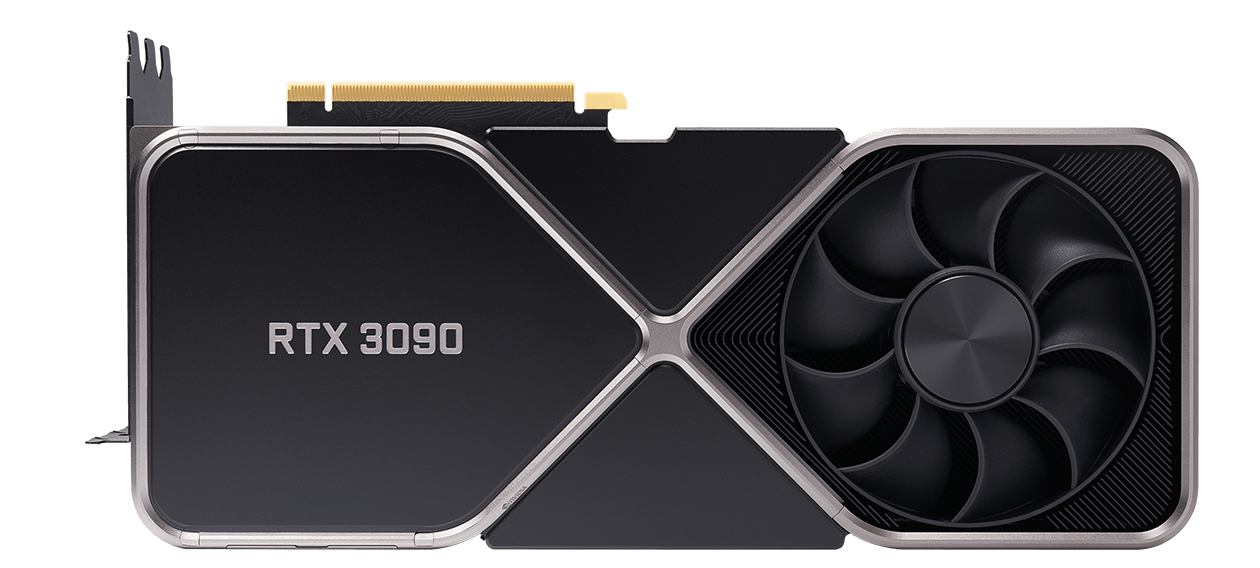
| RTX 3090 | 24 GBVRAM | $0.40/ hour |
| RTX 4090 | 24 GBVRAM | $0.712/ hour |
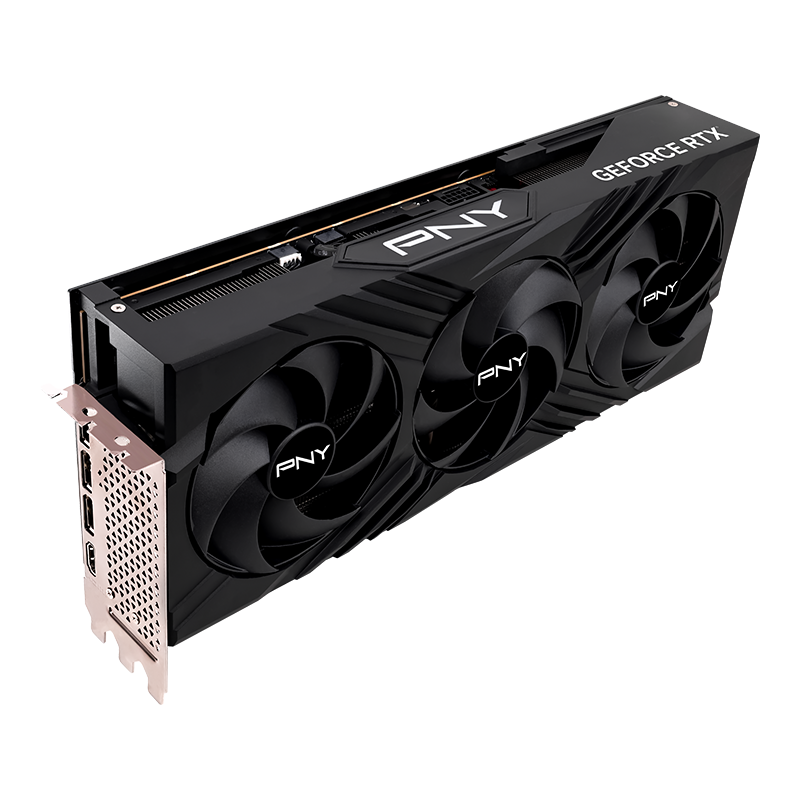
| RTX 5090 | 32 GBVRAM | $0.952/ hour |
| A100 SXM 80 GB | 80 GBVRAM | $1.432/ hour |
| H100 SXM 80 GB | 80 GBVRAM | $3.192/ hour |
Give each model its own GX10 with 128 GB of shared memory. Compare quality and settings in parallel without queuing both jobs on a single node.
Distribute weights and computation across two GB10 systems over ConnectX-7 if your engine supports it. The system, context and buffers use memory separately on each node.
Keep one node on the current model while using the other for fine-tuning, evaluating a new version or processing data. Each workload gets separate compute resources.
Estimate model weight memory first. Then add the KV cache, runtime, operating system and working buffers.
| Parameters | 4 bit | 8 bit | 16 bit |
|---|---|---|---|
| 8B | 4 | 8 | 16 |
| 14B | 7 | 14 | 28 |
| 32B | 16 | 32 | 64 |
| 70B | 35 | 70 | 140 |
| 120B | 60 | 120 | 240 |
Calculation: parameter count × bit width / 8. Excludes quantization metadata, context and runtime overhead.
A 24 GB card cannot hold these weights entirely in VRAM, even before adding context. GX10 offers a larger shared 128 GB CPU and GPU memory budget. Context length and concurrent requests also determine the final footprint.
A two-system ASUS GX10 cluster is suited to large model weights and parallel workloads.
All models for ASUS GX10Each node has 128 GB of memory shared by the CPU and GPU. The system is built on NVIDIA GB10 Grace Blackwell.
ASUS technical specificationsShare your models, engine and plan: one workload across two nodes or independent runs. Include preferred dates and duration.
Discuss ARM64 compatibility, the inter-node connection, access, storage and the final price. Both nodes’ availability is confirmed before starting.
Connect using the agreed method and run a small example. Measure per-node memory and completion time before scaling to the full workload.
Provide your model, software environment and rental period. We will confirm the rate, availability and connection method before the rental starts.
The rate on this page is for the two-node configuration. Compare it with runtime and utilization of both GX10 systems. The final price, duration and resources are agreed on request; submitting a request does not automatically reserve hardware.
No. These are two systems with separate memory. On each, the CPU, GPU and OS share 128 GB of LPDDR5x. An application must distribute a shared model across nodes; connecting them does not create one contiguous pool. Independent jobs use each node’s memory separately.
Not necessarily: a quantized 70B model may fit on one node with enough space left for context and runtime. A pair can run independent jobs or a supported distributed configuration. FP16/BF16 weights alone require roughly 140 GB; distribution also needs per-node headroom and a suitable engine.
Each GX10 needs ARM64-compatible builds and Blackwell support in the selected CUDA libraries. Two Docker containers do not automatically distribute a model. Separate Ollama instances or PyTorch applications can run on different nodes; one shared workload requires explicit multi-node support and configured communication.
We have not yet published our own TPS measurements for this pair. A single model’s result depends on quantization, context, the engine and network traffic. Two nodes do not guarantee twice the TPS. For independent jobs, compare total work completed over the rental period.
A pair helps with two simultaneous experiments, a separate inference node, or a workload that your engine can distribute. If one GX10 fits the model and meets your response-time needs, the second is optional. Single-node and pair availability are linked because both listings use the same pool of two devices.
This configuration contains two ASUS Ascent GX10 devices. They use NVIDIA GB10 Grace Blackwell and a platform shared with DGX Spark, but ASUS is the system manufacturer. NVIDIA DGX OS is the software platform’s name. Access and connection terms come from our agreed configuration, not from the NVIDIA family name.
Share the model, weight format, engine and container versions, launch command, context and expected load. Say whether jobs are independent or distributed, and include communication and data requirements. Add dates and duration. Do not send passwords, private SSH keys or API tokens in the request.
How to account for unified memory, context length and ARM64 compatibility.
CHOOSING A SETUPWhen one node is enough, and when parallel or distributed computing helps.
DOCUMENTATIONMemory, architecture and software compatibility: three things to start with.