Run LLMs to analyze code
Use compatible open models to review research code and formulate hypotheses. Test them on historical data.
Rent two ASUS GX10 nodes to run compatible LLMs, analyze code and run parallel research workloads. Test strategies on historical data with fees and slippage included; evaluate results through backtesting and paper trading.
256 GB · 128 GB per node
128 GB unified memory
79% below the estimated DGX Spark rate for rentals of 169 hours or moreUse compatible open models to review research code and formulate hypotheses. Test them on historical data.
Run independent datasets and backtests across two nodes. A single distributed workload requires software support.
First test the hypothesis on held-out data and with paper trading. Compute power does not guarantee forecast accuracy or profit.
You run your own models and code. Before the rental, we will agree on the configuration, rate, availability and connection.
Specify the models, historical datasets, number of parallel tests and memory requirements.
Provide your dates and rental period. We will confirm the rate, availability and connection method before the rental starts.
Connect to the nodes and run your code. Include fees, slippage and evaluation on held-out data.
Two 128 GB nodes can run different models, datasets and backtests in parallel. A single distributed workload must be supported by the software.
Cluster specifications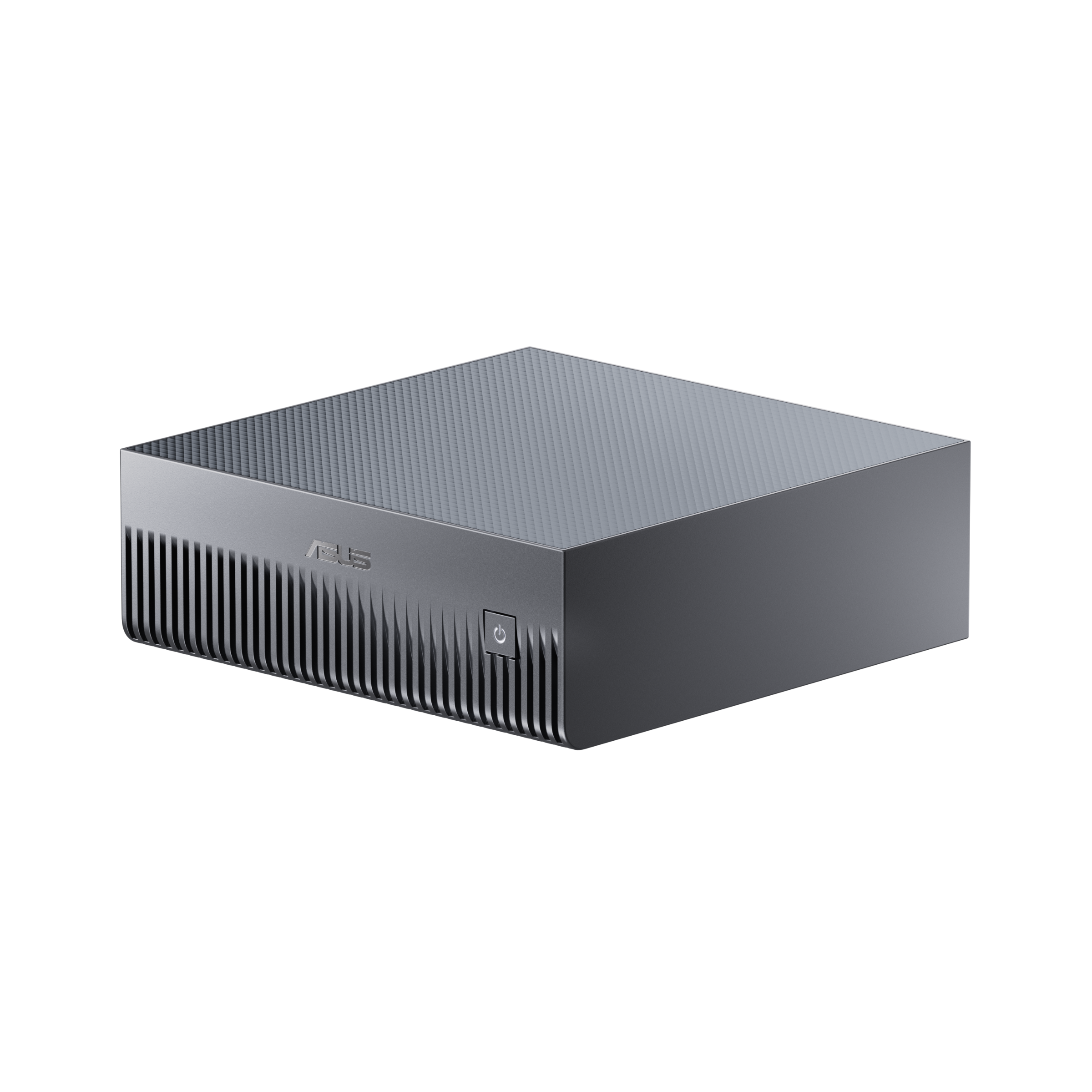
Provide the model, code, datasets and number of parallel tests. We will confirm the rate, availability and connection method before the rental starts.
There is no accuracy guarantee. An LLM may invent facts, miss a market regime change or make calculation errors. Validate results on data and never rely on a model response as the sole basis for a trade.
Yes. You can study historical data and prototype digital-asset analysis without connecting to live accounts.
It lets you run larger models and process bigger datasets. Speed depends on the model, method and code.